I often touch upon old traditional ideas of acting as I take inspiration from ‘method acting’ however I don’t fully embrace these ideas as I don’t go through the rigorous training to embrace a character. I’ve looked upon past performance artists such as Paul McCarthy, Mike Kelley, Matthew Barney and how their work has certain unrestrained vigour. Especially Paul McCarthy whose works I’m disgusted by due to the absurdity of how repulsive the actions can be yet that is why I’m drawn to it. It’s pushing the boundaries of our moralities and testing the emotional limits of people. I find his work to establish the direction and extremities that I don’t want my work going.
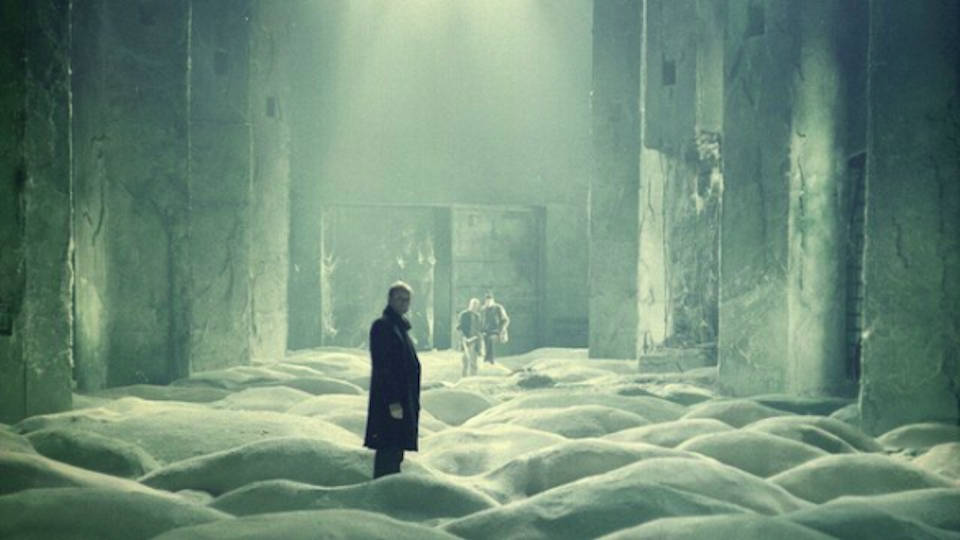
Andre Tarkorvsky is a director that manages to grip the viewer through wonderfully captivating visuals and imagery. His work doesn’t have a need for bombastic over the top acting in order to make the film interesting, the characters themselves are equally as profound as the care taken to display them. In his book ‘sculpting in time’ he mentions the unique characteristics of cinema in the way that it utilises different mediums in order to cultivate in an experience that preserves and records time. Much like how a sculptor removes all that is unnecessary to his creation so too must the filmmaker from a large ‘lump of time’ discard all that is not crucial, leaving behind the finished film. In this sense film assimilates the world taking some of elements as a means to explore on notions of what is true. This approach has become useful for me as I’m being more considerate to the result of artworks and how the audience views it.
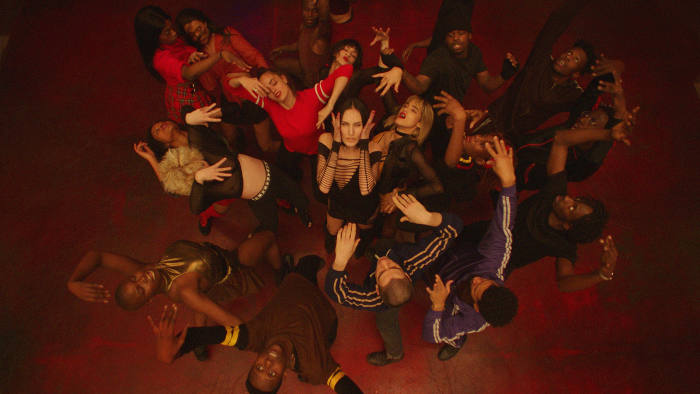
New French Extremism is a contemporary collection of different French directors that produce transgressive films. They actively seek to put the viewer into disarray by projecting unsettling visuals with a fixation of presenting the body and flesh on the screen as a means of breaking taboos. It seeks to challenge our moralities and previous notions on what we view as sacred. Instead of placing importance on human corporeality, the body is what needs to be thoroughly examined in order to reach greater levels of understanding ourselves, this can be seen in films like ‘Climax’ and ‘Martyrs’. Through being in a state of discomfort it forces the viewer to formulate their own conclusions and evaluate their ethics.
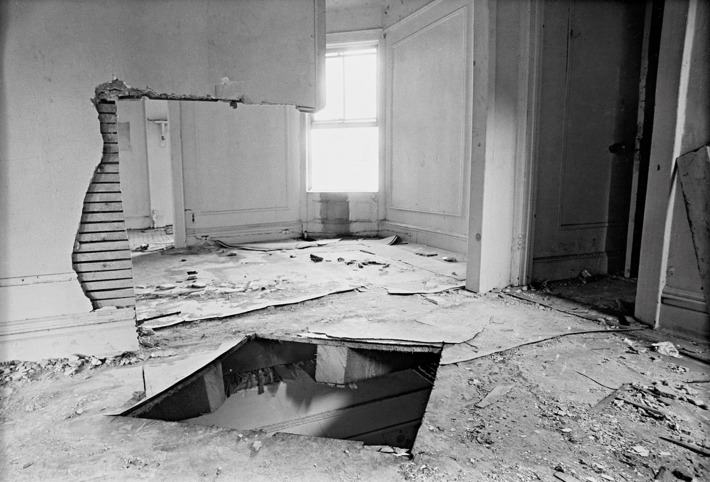
Gordon Matta-Clarke would go into these broken down houses that were going to be demolished and produced within the floors or areas that would be outside vision. By creating a simple ‘cut’ it allowed a dialogue on the orthodoxy of buildings and exposed the mystical power they have over people. It immediately relates to social issues upon how housing can be used to dictate lives and separate different castes of people. The relationship between how people can exists within these spaces, the influence they have over our ideas and the interaction between these two entities. Though Matta-Clarke is making these critical statements of architecture I can find similarities in our ideas due to the exploration of buildings and the connection they have with the audience.
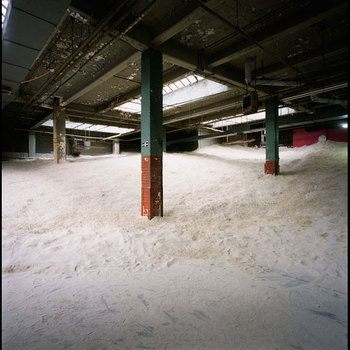
Mike Nelson discusses how his work is always incomplete, they require the input of the viewer and the discussion leads to his pieces being more grounded. His practise involves creating these expansive temporary, site-specific labyrinths that have little to no input from the artist, the audience is left to wander these locations and formulate their own interpretations. It ultimately shifts the power dynamic of an artist presenting their ideas for someone to consume into the audience having the ability to drive the piece further.
 Human Psyche